
A Freight Forwarder’s View: What Importers Should Check Before Cargo Leaves China
Austone logistics specialists explain the practical checks that reduce customs, transit and delivery risk on China-to-Australia shipments.
Most delays on a China-to-Australia shipment are visible before the cargo leaves the factory. The forwarder can coordinate documents, loading and timing, but the importer holds the information that makes those decisions reliable.
Start With the Shipment Profile
Begin with the cargo itself. Weight, dimensions, value and handling requirements determine whether sea freight, air freight or a consolidated route makes sense.
- Confirm the correct cargo description for customs.
- Check whether packing protects the product for the full journey.
- Identify any compliance documents before departure.
Cargo Value and Fragility
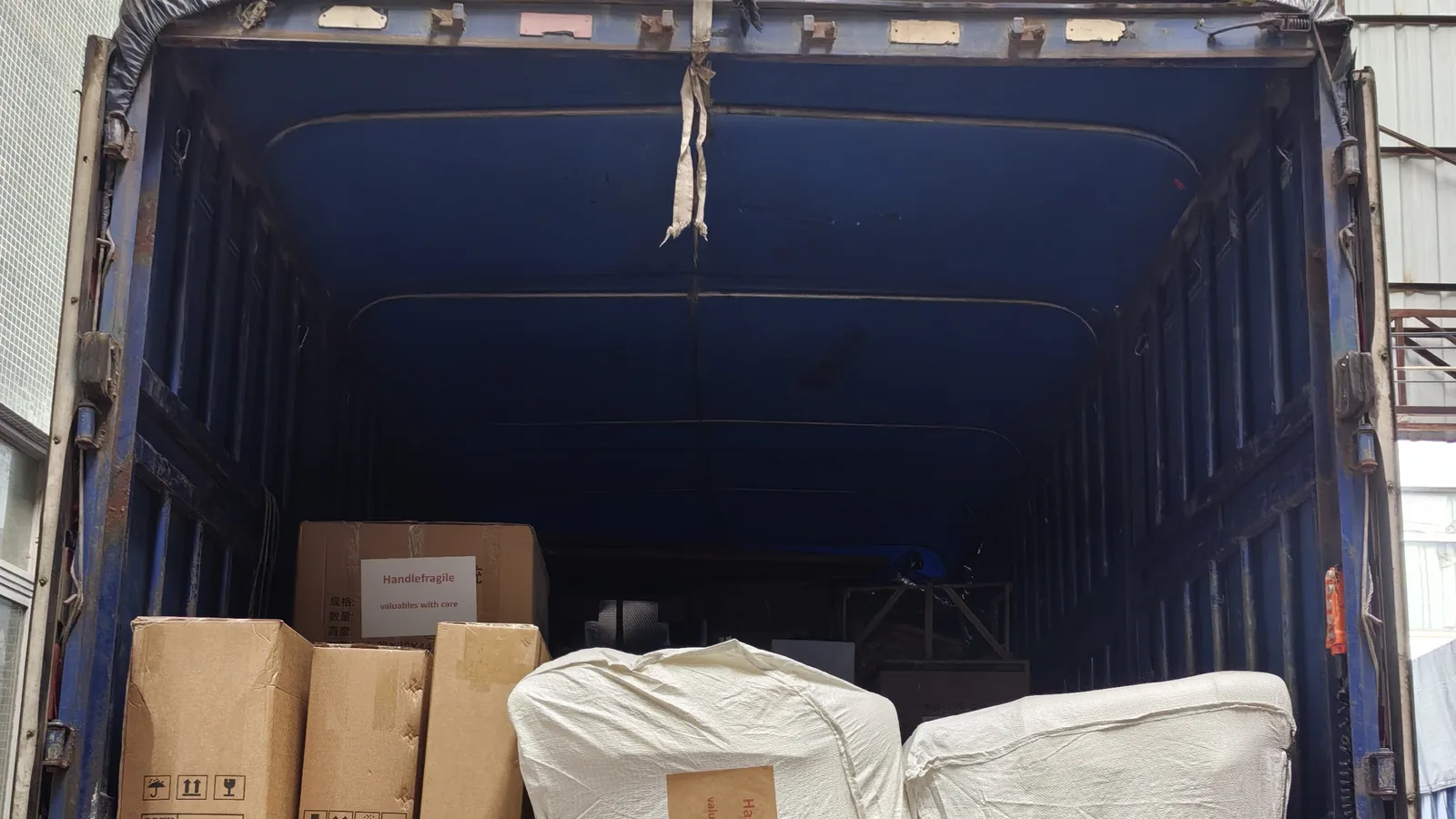
Higher-value and fragile products need stronger handling discipline. A small investment in packing and inspection at origin reduces the risk of damage claims later.
Documents That Prevent Delays
The documents that matter are the commercial invoice, packing list and any certificates the destination requires. When these match the cargo, customs release is much more predictable.
Communication Between Supplier and Forwarder
Clear handover dates and loading instructions help the supplier prepare the goods correctly. The forwarder needs enough notice to book space, arrange pickup and coordinate the export process.
Planning the Arrival Side
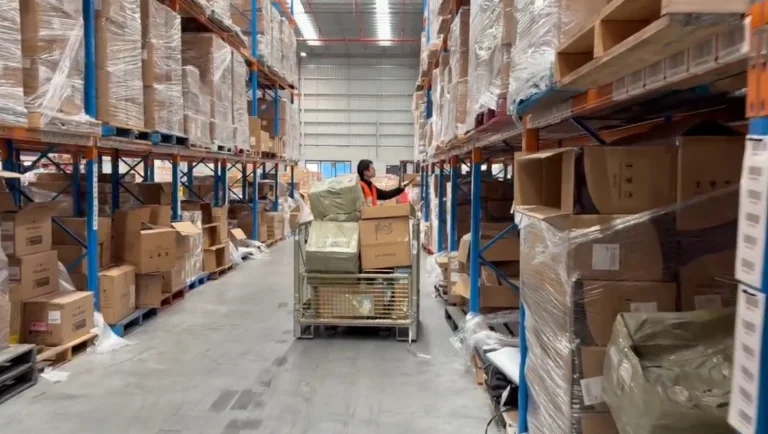
Delivery does not end at the port. Warehouse booking, local transport and end-customer timing should be planned while the cargo is still in transit so the final mile matches the arrival window.
Related Insights
Need Help With Your Supply Chain?
Speak with Austone specialists about your logistics requirements.