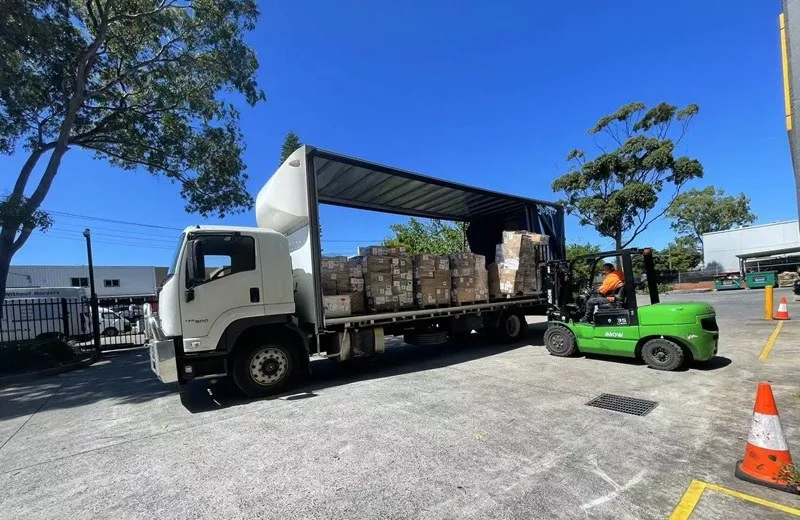
Truck & Rail Freight from China to Europe
for faster inland transit, stable departures and cost-aware planning
Austone supports importers moving cargo from China to Europe and the UK by truck and rail when they need a stronger balance between transit time and landed cost. Our truck services run with fixed weekly departures and typical 14โ19 day transit windows, while rail freight offers a stable 22โ28 day alternative for larger and more cost-sensitive cargo programs.
Why importers choose truck and rail freight
Road and rail are often chosen when sea freight is too slow and air freight is too expensive. They help buyers keep cargo moving on a predictable schedule while still controlling transport cost more carefully than an urgent air solution would allow.
Faster than sea freight
Truck freight is well suited to urgent replenishment and commercial cargo that cannot wait for a standard ocean cycle.
Lower cost than air freight
Both truck and rail help buyers protect timing without paying the premium that urgent air freight usually requires.
Visibility through the route
With GPS tracking and structured customs coordination, importers can follow cargo movement more clearly from departure to final delivery.
Choose the inland freight mode that fits your shipment
Truck and rail freight solve similar business problems in different ways. The best option depends on whether your priority is faster transit, lower transport cost or the right balance between the two.
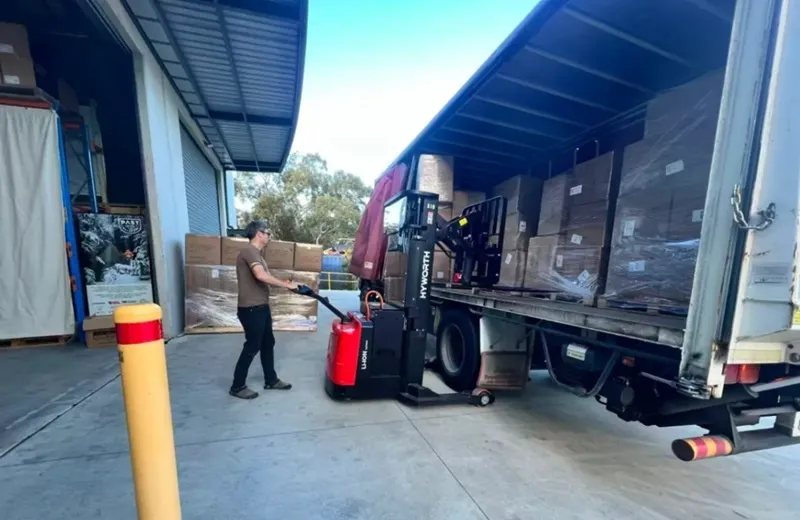
China-Europe Truck Freight
Designed for cross-border road shipments into Europe with three or more departures per week and a fast 13โ18 day transit window after departure.
China-UK Truck Freight
Best for shipments to the UK that need a quicker path than sea freight, with typical delivery in 14โ19 days and stronger cost control than air freight.
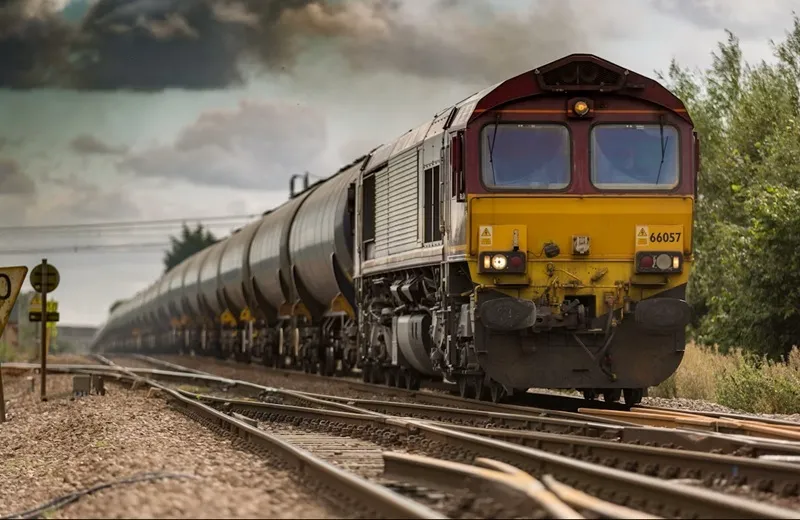
Europe Rail Freight
Best for larger, more planned shipments that still need better speed than ocean freight while protecting cost more effectively than air cargo.
How truck and rail freight are structured for importers
These services are built around stable departures, clear cargo visibility and customs processes that reduce avoidable delay risk across Europe and UK-bound inland routes.
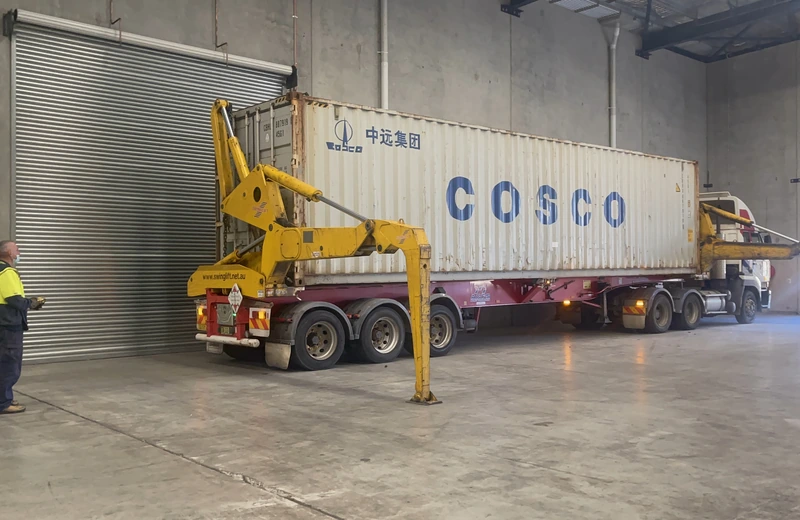
China-Europe truck freight
Focused on cross-border road transport into Europe, this service runs three or more departures per week and supports both urgent and batch cargo. Transit is typically 13โ18 days after departure, making it a practical fit when buyers need stronger speed without stepping up to air freight.
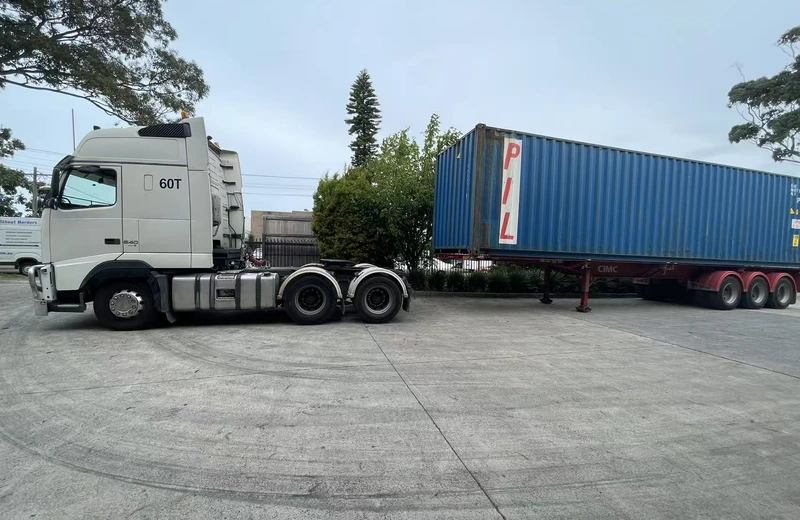
China-UK truck freight
Built on a mature overland transport network, this route also runs at least three departures weekly and usually reaches the UK within 14โ19 days. It is a strong option for importers who need a faster replenishment path than sea freight while keeping transport costs well below air.
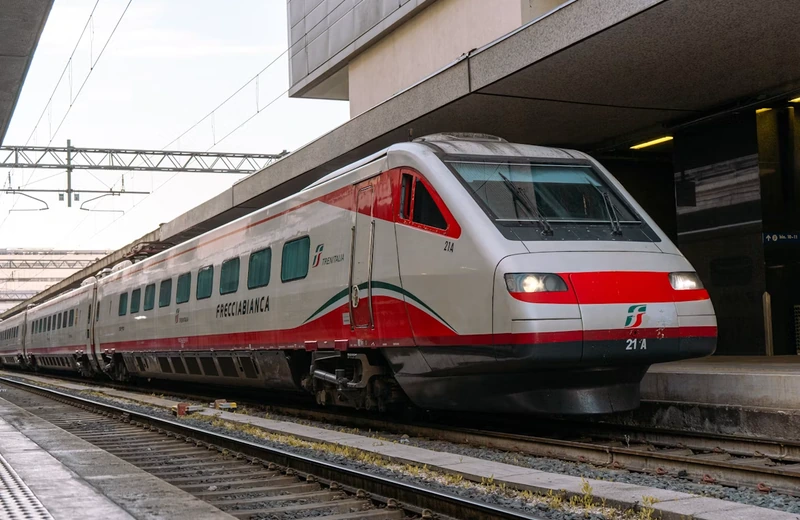
Europe rail freight
Backed by stable China-Europe rail resources, this service works on a fixed departure pattern with predictable 22โ28 day transit. It is especially suitable for larger-volume cargo that still needs better timing than sea freight can provide.
What buyers gain from truck and rail transport planning
The value of these inland freight modes is not only the transit window. Buyers also benefit from more consistent departure planning, route transparency and stronger customs coordination along the way.
Stable weekly departures
Truck freight departs three or more times per week, helping buyers avoid long waits for consolidation and giving more control over replenishment timing.

Full-route visibility
GPS tracking allows cargo movement to be checked from loading through transport, customs and final delivery, so importers can plan receiving and warehouse intake more confidently.

Customs familiarity
These routes rely on mature and stable customs channels, supported by teams familiar with EU and UK clearance processes, helping reduce detention, hold and avoidable delay risk.
How importers usually decide between truck freight and rail freight
Most buyers compare these modes based on urgency, shipment size and whether the business needs a faster replenishment path or a more cost-efficient planned schedule.
Truck Freight
Best when timing pressure is stronger.
Rail Freight
Best when cost control matters more than maximum speed.
A schematic China-Europe rail corridor for South China cargo
For rail shipments originating in South China, cargo can be picked up in Shenzhen, transferred inland to Chongqing for rail loading, then routed westbound through Xinjiang and the main Eurasian rail corridor before final delivery into Europe.
Shenzhen to Chongqing pre-carriage and Europe delivery flow
This workflow shows how South China cargo can move from pickup in Shenzhen to rail departure in Chongqing, then continue through the China-Europe corridor into final European distribution.
Step 1 ยท South China handover
Cargo is picked up in Shenzhen, sorted or consolidated if required, then transferred inland toward the Chongqing rail departure hub.
Step 2 ยท Chongqing rail departure
The shipment is loaded at the Chongqing rail hub, then dispatched westbound through Xinjiang and the Alashankou border corridor.
Step 3 ยท Eurasian transit
After crossing into Kazakhstan, the train continues through Russia and Belarus before reaching Poland or another EU terminal for onward handling.
Europe distribution branch
Poland / EU terminal โ Germany, Belgium or other Europe hubs โ warehouse, project site or final consignee delivery by truck.
UK onward branch
EU terminal transfer โ cross-channel linehaul and UK trucking โ local warehouse, store delivery or final consignee handover.
Common truck and rail freight questions from importers
These are the practical questions buyers usually ask before choosing inland road or rail transport from China into Europe or the UK.
Ask about your road or rail shipment from China
Tell us whether your priority is faster transit, lower landed cost or better route visibility. We can help you decide whether truck freight or rail freight is the stronger option for your cargo.
Tell us the cargo type
Batch cargo, urgent replenishment, regular stock or another shipment profile that affects mode selection.
Tell us the destination
Europe or UK destination details help define whether truck or rail is the more practical inland route.
We align the route and next step
That includes the transit mode, customs coordination and delivery path that best fits your commercial timing.