How Austone Managed Two Customs Inspections for a Five-Supplier Sports Uniform Shipment
See how Austone coordinated five suppliers, resolved quantity and sports-uniform labelling discrepancies, and protected a competition deadline after two customs inspections in China.
Case Snapshot
A custom sports-uniform order sourced from five factories was selected for customs inspection in China on two consecutive shipment batches. Inspectors identified quantity and sports-uniform labelling discrepancies, while the Australian customer faced a fixed competition deadline. Austone coordinated documents from every supplier, kept staff on-site during the inspections and separated affected goods from unaffected items where the process allowed. Both cases were resolved, and the uniforms arrived in time for the competition.
What Made This Multi-Supplier Shipment High Risk?
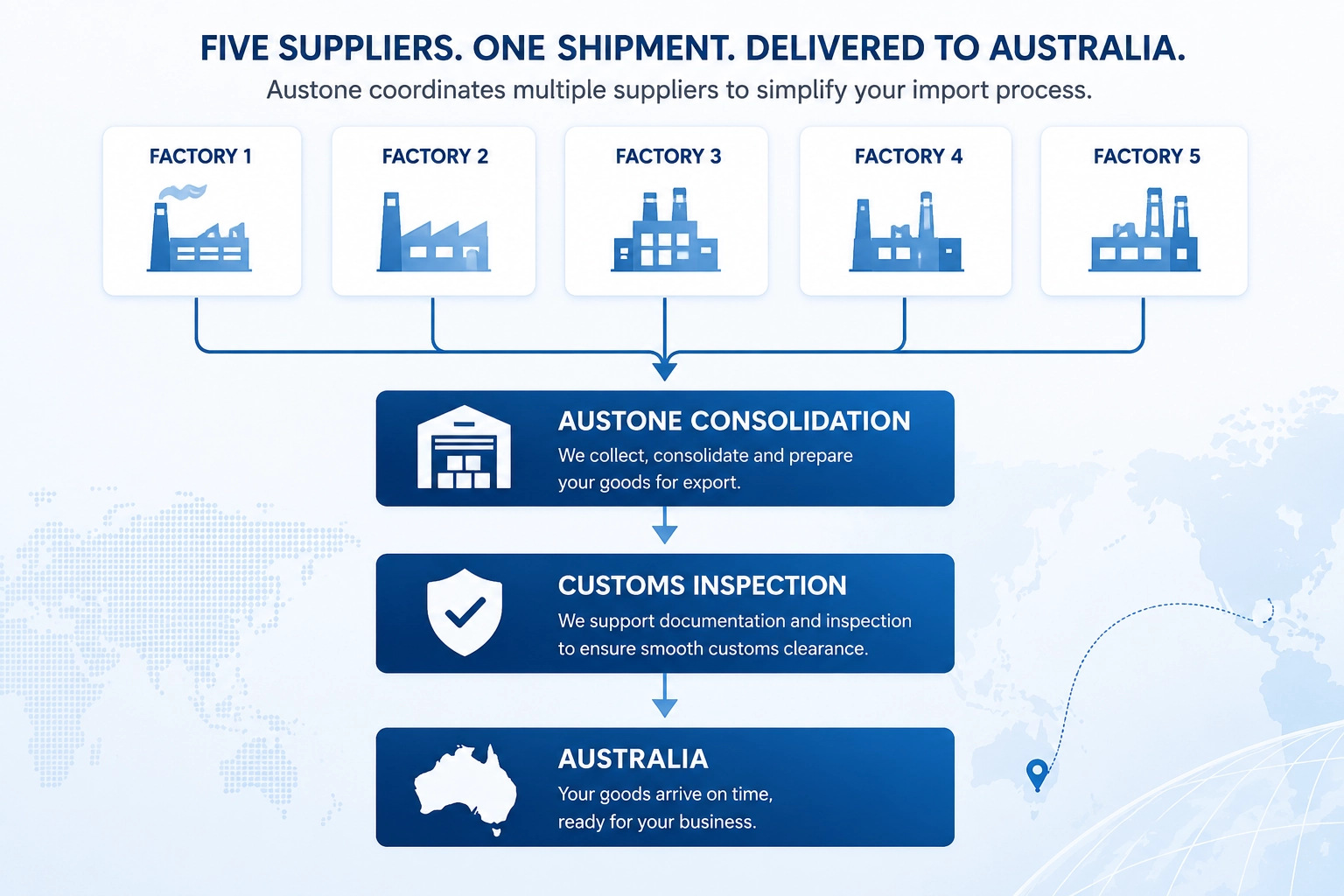
The main challenge was not simply that the order was inspected. Five factories had contributed custom sports uniforms to a time-sensitive multi-supplier shipment, so each supplier's packing information, product labels and supporting documents had to align with the shipment declaration.
When multiple suppliers contribute to one shipment, an inconsistency from one factory can complicate the release of goods supplied by the others. In this case, the customer also had little flexibility: the uniforms were needed for a scheduled competition, so a prolonged documentation cycle could have made the products commercially useless even if they eventually arrived.
The second complication was repetition. After the first inspection issue had been managed, the next shipment batch was also selected for inspection. Austone therefore needed to coordinate the five suppliers again while protecting the same delivery objective.
What Did Customs Identify During the Inspections?
The two inspections identified several types of inconsistency:
- The physical quantity did not fully match the declared quantity.
- Some sports uniforms did not carry the required fabric-composition information in the expected form.
- Brand information on certain goods did not match the shipment declaration.
- The declared material information did not match the physical goods for some items.
These were findings from this shipment. They should not be treated as a complete list of customs inspection triggers or as proof that every similar discrepancy will receive the same treatment. The response depends on the goods, declaration, evidence requested and customs decision in the specific case.
How Did Austone Respond?
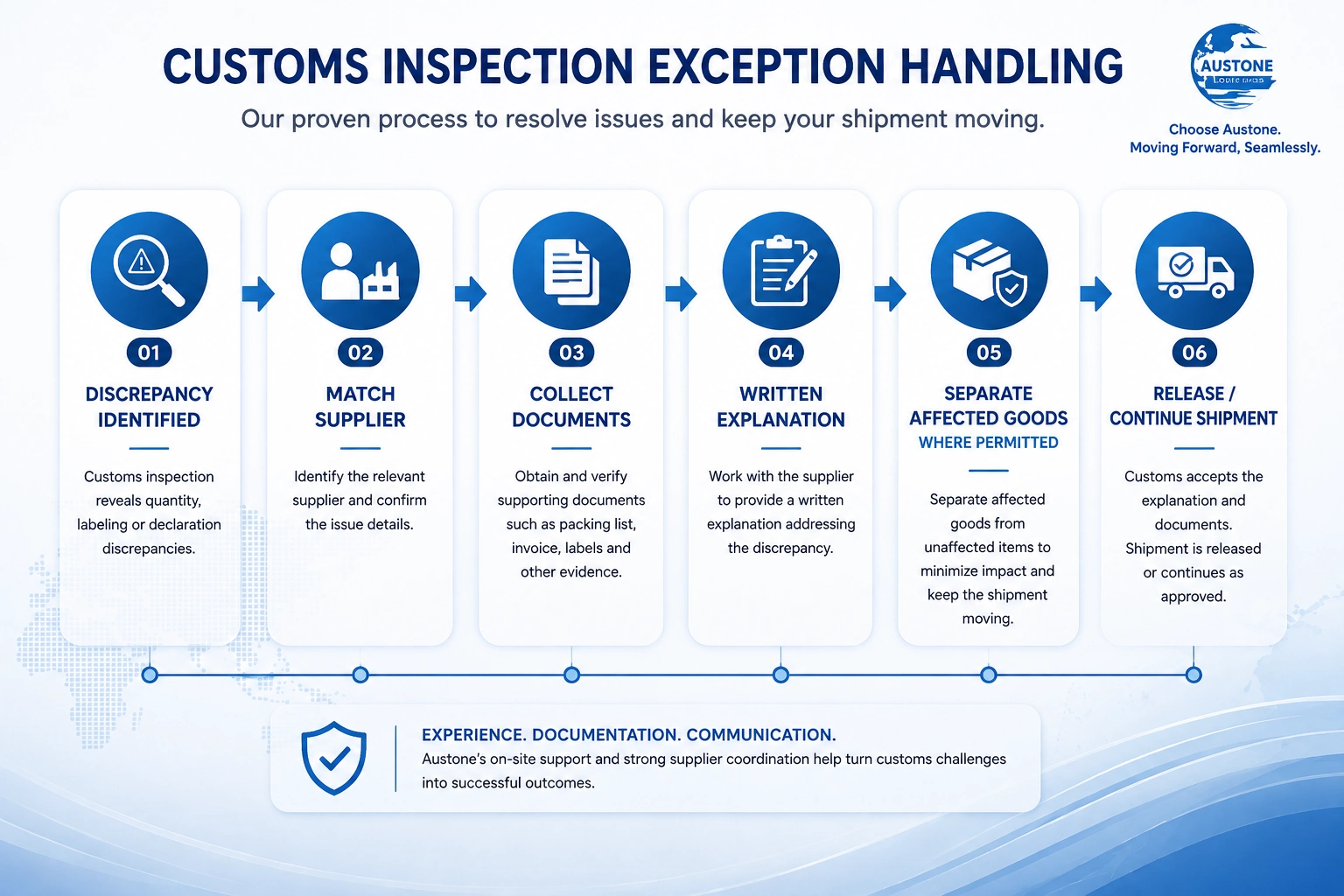
1. Collected Supplier-Level Documents
Austone requested detailed packing lists and inspection authorisations from all five factories rather than relying on one consolidated summary. This gave the customs-handling team clearer product-level information and reduced the need to wait for suppliers sequentially when questions arose.
The supplier-level approach was important because the issues were not identical across the shipment. The team needed to connect each physical product and discrepancy to the relevant factory and supporting paperwork.
2. Provided On-Site Inspection Support
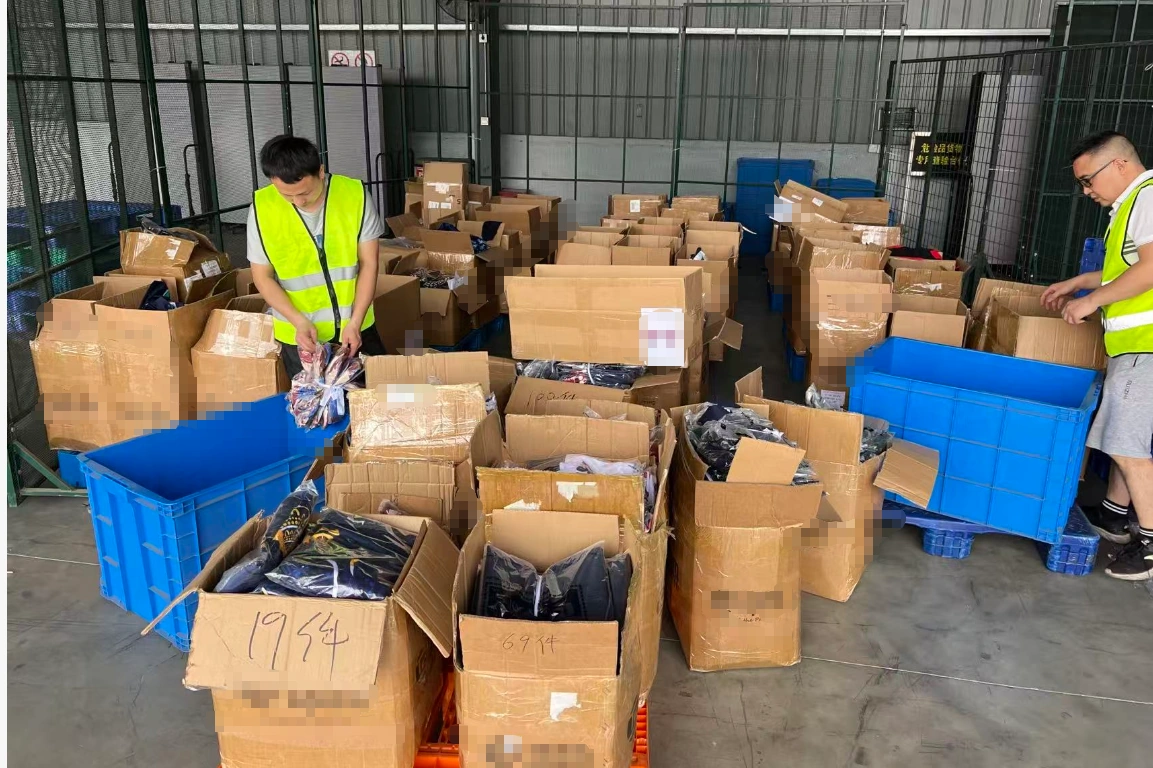
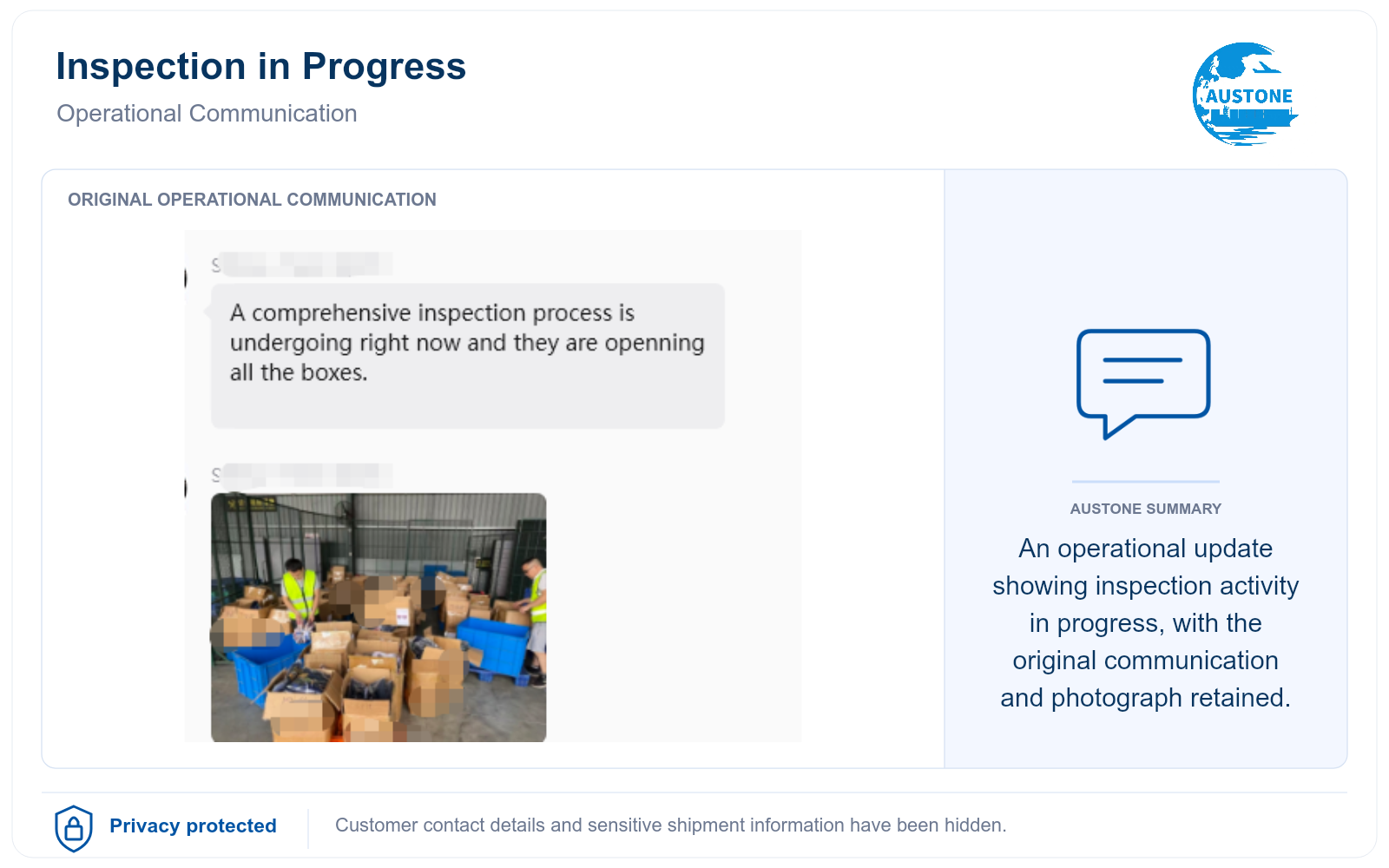
Austone personnel remained on-site during the inspection process. When customs officers raised questions, the team could help identify the goods, locate the relevant packing information and communicate with the responsible supplier.
On-site attendance did not determine the customs decision. It did, however, shorten avoidable communication gaps and helped the relevant parties respond to questions with shipment-specific information.
3. Coordinated Written Explanations for Affected Goods
Where a discrepancy was confirmed, Austone worked with the relevant supplier to prepare an explanation and the documents requested for that issue. The exact supporting documents depended on the customs request and the nature of the discrepancy.
This avoided treating all five suppliers as though they had the same problem. It also created a clearer record of which goods were affected and which supplier needed to respond.
4. Sought Separate Handling for Unaffected Items
Where the process permitted, Austone applied to separate affected line items so that goods without the identified issue could continue toward release. This was a practical way to limit the effect of one supplier's discrepancy on the wider order.
Separate handling is not automatic and cannot be promised for every inspection. It depends on the declaration structure, the affected goods and customs approval.
What Was the Result?
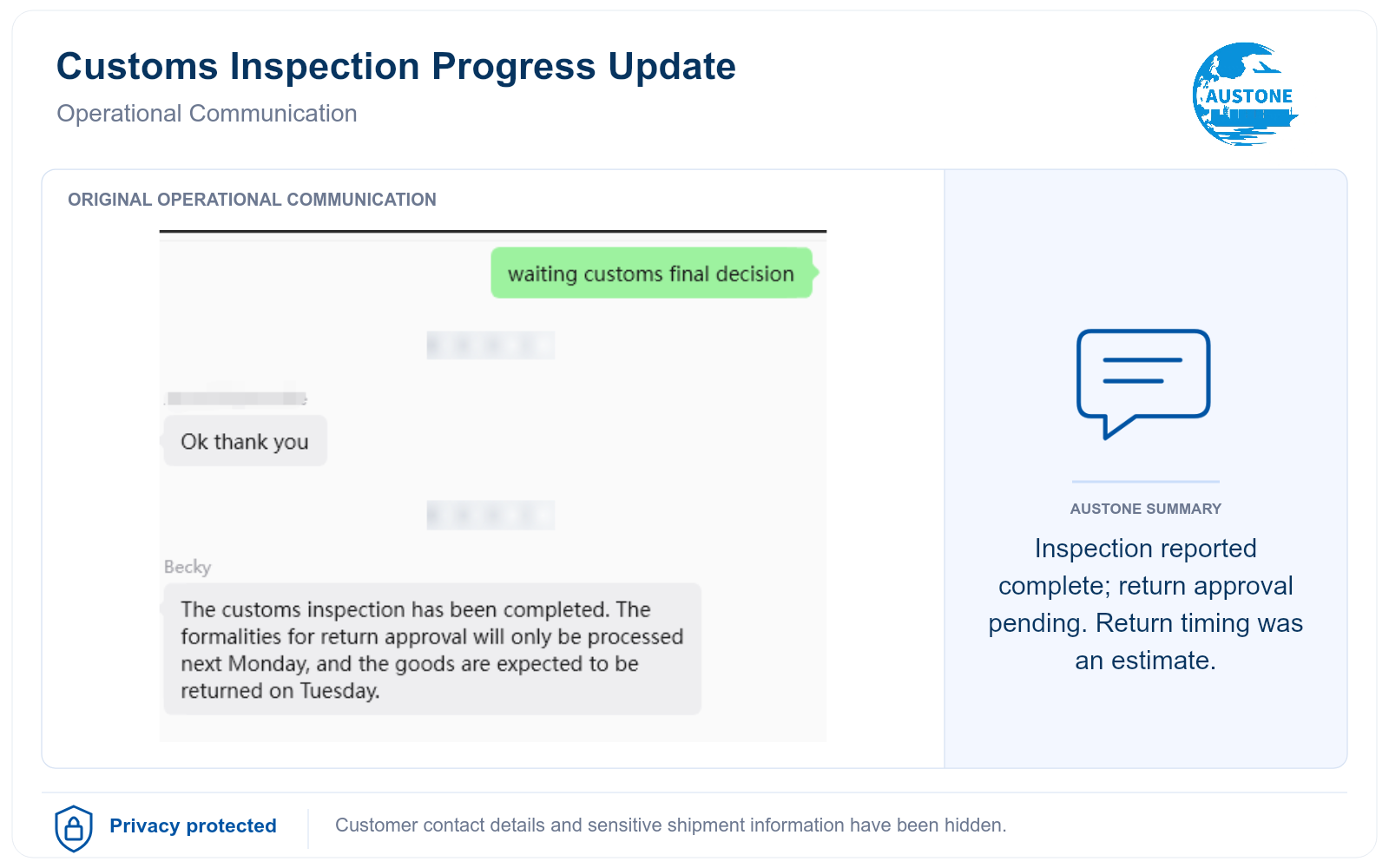
Both inspection cases were resolved, and the sports uniforms arrived in time for the customer's competition.
The value of the response was not based on claiming that inspection could be avoided or accelerated at will. Austone's contribution was operational: collecting supplier-level evidence, keeping communication active during inspection, isolating the actual discrepancies and pursuing a workable path for unaffected goods.
For a deadline-driven order, this helped prevent documentation delays from spreading unnecessarily across the entire five-supplier shipment.
What Can Apparel Importers Learn From This Case?
Use One Product-Level Packing Standard Across Suppliers
Each factory should provide product descriptions, quantities, brand details and material information in a consistent format. A consolidated packing list is useful, but it should be traceable back to the source factory and physical goods.
Check Sports Uniform Labels Against the Declaration
Fabric-composition and brand information should be reviewed before the goods enter the final shipping process. A declaration can be internally consistent while still failing to match the labels or physical goods.
Collect Authorisations Before an Inspection Happens
If the forwarder or customs representative may need to act for multiple suppliers, obtain the relevant authorisations before the shipment reaches a time-critical stage. Waiting for five factories to prepare documents after an inspection begins can add avoidable delay.
Plan for Partial Problems in Consolidated Orders
Importers should know which cartons or line items belong to each supplier. Clear traceability makes it easier to explain a discrepancy and, where permitted, request separate handling for unaffected goods.
Treat the Delivery Deadline as an Operational Constraint
For event uniforms, seasonal apparel and promotional products, arriving after the required date may eliminate much of the order's value. The transport plan should therefore include document checks, supplier response contacts and escalation responsibilities before cargo is dispatched.
Austone Operational Perspective
This case shows why multi-supplier consolidation requires more than combining cartons into one shipment. Austone helps B2B importers coordinate supplier documents, packing information, shipment declarations and exception handling across China sourcing orders.
When an inspection occurs, the objective is to establish what customs has identified, connect each issue to the correct supplier, provide the requested evidence and prevent an isolated discrepancy from creating avoidable delay for the rest of the order where separate handling is available.
Frequently Asked Questions
What can cause problems during a sports uniform customs inspection in China?
In this case, the issues included quantity discrepancies, missing fabric-composition labels and mismatches involving brand or material declarations. Other inspections may focus on different matters, so importers should confirm the exact customs request rather than assume the cause.
How long can a customs inspection delay a sports uniform shipment?
There is no single reliable duration. Timing depends on the inspection scope, the discrepancy, how quickly suppliers provide accurate documents and whether the matter requires further customs review. Deadline-sensitive orders should allow contingency time and establish supplier response contacts before shipment.
Can unaffected goods be released while disputed items are reviewed?
It may be possible to request separate handling of affected line items, as Austone did in this case, but approval is not automatic. The option depends on the declaration structure, the goods involved and the customs decision.
What documents should be prepared for a multi-supplier sports uniform shipment?
Importers should start with accurate commercial and packing documents that identify the goods and source supplier clearly. Any additional explanations, authorisations or company documents should be prepared according to the specific request from customs or the appointed customs representative.
How can importers reduce document inconsistencies across several factories?
Use one packing-data template, check quantities and labels against the declaration, assign a responsible contact at each factory and complete a shipment-level document review before consolidation or customs declaration.
Planning a Multi-Supplier Shipment From China?
This case demonstrates the importance of supplier coordination, product-level traceability and active exception handling when one order combines goods from several factories.
If your business is consolidating custom sports uniforms or other apparel from multiple suppliers in China, Austone can review the shipment structure, documentation workflow and transport plan before dispatch. Discuss your shipment with Austone.
Need support with your next shipment?
Speak with our logistics specialists about your international freight and supply chain requirements.
Experience shows in the details before cargo moves
Industry Knowledge
Understanding cargo characteristics, supplier conditions and destination requirements shapes the right plan.
Operational Experience
Coordinating factories, documentation, carriers and arrival handling keeps complex shipments on schedule.
Professional Judgment
When conditions change, clear communication and practical adjustments protect the delivery outcome.